The Anatomy of a Legend: The History, Debate, and Rise of the Philly Cheesesteak
Few regional foods inspire as much fierce loyalty, historical debate, and late-night craving as the Philadelphia cheesesteak. A humble combination of thinly sliced beef and melted cheese served on a long Italian roll, this sandwich has transcended its working-class roots to become a global culinary landmark. But how did a quick lunch created for taxi drivers during the Great Depression become an indelible symbol of the City of Brotherly Love?
Here is the story of how the Philly cheesesteak came to be, why it captured the world's imagination, and how its legacy continues to evolve today.
The Origin: A Hot Dog Vendor’s Eureka Moment
The story of the cheesesteak begins in South Philadelphia during the early 1930s. Pat Olivieri was a hot dog vendor operating a modest stand near the Italian Market at 9th Street and Passyunk Avenue.
Legend has it that on a chilly day in 1930, Pat grew tired of eating hot dogs for lunch. He asked a nearby butcher for some chopped beef scraps, grilled the meat on his hot dog griddle, and piled it onto a fresh crusty Italian roll. A passing taxi driver smelled the sizzling beef and asked for one instead of his usual hot dog. After taking a bite, the driver famously advised Olivieri to stop selling hot dogs and focus entirely on the beef sandwiches.
Recognizing a hit, Pat and his brother Harry expanded the operation, eventually opening Pat’s King of Steaks at the same intersection.
Where Was the Cheese?
Interestingly, the original sandwich contained no cheese at all. It wasn’t until the late 1930s or early 1940s that a manager at Pat's, Joe "Cocky Joe" Lorenza, added melted provolone to the steak, giving birth to the actual cheesesteak.
In the 1950s, Kraft introduced Cheez Whiz, which quickly became the topping of choice for many vendors due to its fast meltability and distinct flavor profile. Today, the debate between Cheez Whiz, Provolone, and American cheese remains one of the defining rivalries in Philadelphia food culture.
Why Did the Cheesesteak Become So Famous?
The rise of the cheesesteak from a local street food to a national obsession was driven by a mix of geography, pop culture, and culinary simplicity.
1. The Bread Connection
You cannot talk about a Philly cheesesteak without talking about the bread. Philadelphia’s baking tradition, rooted in Italian-American heritage, relies on local water profiles and traditional baking techniques to produce rolls with a crisp exterior and a light, soft interior. The roll holds the savory juices without disintegrating, creating a texture contrast that chefs elsewhere struggle to replicate.
2. Working-Class Roots and Accessibility
The cheesesteak was affordable, filling, and quick to prepare—ideal for South Philly’s industrial and working-class population. It became embedded in the fabric of neighborhood life, served at late-night stands that catered to shift workers, neighborhood locals, and night owls alike.
3. Pop Culture and the Rivalry
In 1966, Joey Vento opened Geno’s Steaks directly across the street from Pat’s, sparking one of the most famous food rivalries in American history. The neon-lit intersection of 9th and Passyunk became a tourist destination in its own right. High-profile media exposure—most notably appearance in films like Rocky—cemented the sandwich into Philadelphia's global cultural identity.
The Modern Evolution: From Rolls to Spring Rolls
While the classic steak on a roll will always hold the crown, Philadelphia food culture has never stopped innovating. Over the decades, chefs throughout Greater Philadelphia and Bucks County have reimagined the classic flavor profile—incorporating sliced ribeye and melted cheese into everything from pizzas and bao buns to crispy appetizers.
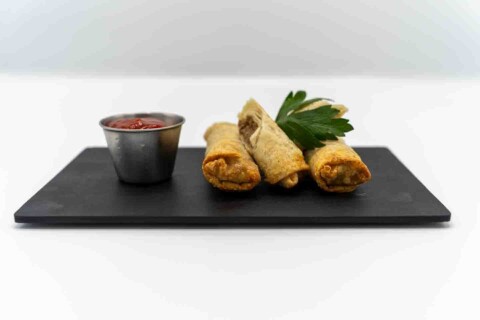
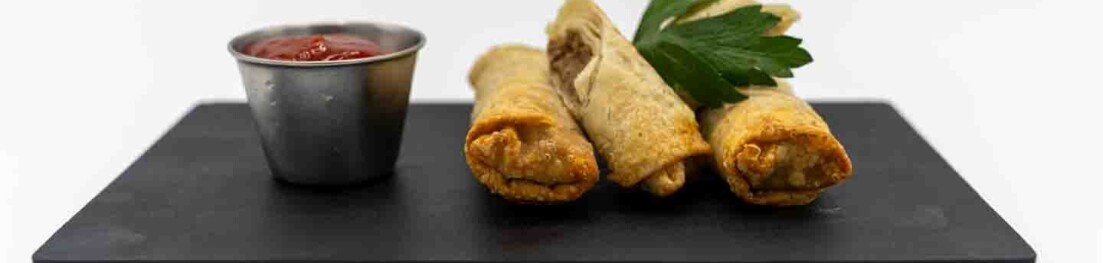
For instance, if you happen to be spending an evening exploring downtown Doylestown, stopping into Frost Doylestown during their popular happy hour offers a great chance to try a modern twist on the classic: house-made cheesesteak spring rolls that pack all that classic savory ribeye flavor into a golden, crunchy shell.
Whether enjoyed at a historic neon-lit stand in South Philly or reimagined as a small plate at a local lounge, the core appeal of the cheesesteak remains unchanged: simple ingredients executed with rich, comforting flavor.
Reservations and More
Book Your TableFrequently Asked Questions About Philadelphia Cheesesteaks
What is the original cheese used on a Philly cheesesteak?
The original steak sandwich created in 1930 had no cheese. Provolone was added in the late 1930s by Pat's King of Steaks manager Joe Lorenza. Cheez Whiz was introduced later in the 1950s and became a popular alternative.
Why is the bread so important for an authentic Philly cheesesteak?
Authentic Philly cheesesteaks rely on local Italian rolls, traditionally from bakeries like Amoroso's or Liscio's. The rolls offer a unique texture—a lightly crisp outer crust and a soft doughy interior strong enough to hold melted cheese and juicy beef.
What is the correct way to order a cheesesteak in Philadelphia?
When ordering at classic stands, state your cheese preference followed by "wit" or "witout" to indicate onions. For example, "Whiz wit" means Cheez Whiz with fried onions, while "Provolone witout" means provolone cheese without onions.
What cut of meat is used in a traditional Philly cheesesteak?
Traditional Philly cheesesteaks are made using thinly shaved ribeye beef. Ribeye is preferred because its fat distribution keeps the meat tender, juicy, and flavorful as it cooks quickly on a flat-top grill.