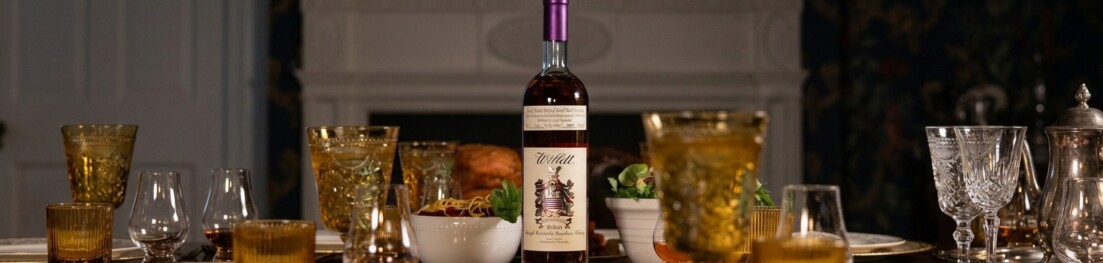
Pure Kentucky Gold: Demystifying the Legendary Willett 126 Proof Bourbon
For dedicated bourbon enthusiasts, few names evoke as much reverence—and intense desire—as Willett. Nestled in Bardstown, Kentucky, the family-owned Kentucky Bourbon Distilling Company (KBD) has long operated with an enigmatic air of craftsmanship and patience. Among their prized creations, single barrels and special small batches bottled around the 126 proof mark (often recognizable by the iconic, metallic "Purple Top" foil) occupy a legendary tier in whiskey folklore.
But what actually justifies the feverish hunt for these high-proof releases, how do they compare against the industry’s blue-chip heavyweights, and where can you actually experience a pour without paying secondary market fortune? Let’s dive in.
What Makes the Willett 126 Proof So Special?
To understand a 126-proof (63% ABV) Willett release, you have to look beyond the high alcohol content. High proof in commercial whiskey can sometimes translate to harsh heat, but Willett’s mastery lies in unfiltered, uncut flavor density.
- Uncompromising Cask Strength: Bottled straight from the barrel without chill filtration or dilution, the 126 proof range represents the natural sweet spot for Willett’s high-rye and low-rye mash bills. The alcohol acts as a vehicle, delivering dense, concentrated essential oils and barrel wood extracts directly to the palate.
- Distinctive Flavor DNA: While single barrels vary by nature, a high-proof Willett Family Estate release is famed for its complex, layered profile. Expectations usually include deep dark cherry, rich pipe tobacco, charred oak, buttered pecan, and an unmistakable undertone of dark cocoa and baking spices.
- Viscous Texture: The mouthfeel of a 126-proof Willett is undeniably thick and velvety, coating the tongue and finishing with a long, warming complexity often described as the "Kentucky Hug."
Why Is It So Hard to Find?
If you walk into a typical liquor store asking for a Willett Purple Top or single barrel release around 126 proof, you’ll likely be met with a sympathetic smile. Their scarcity is built on several factors:
- Strictly Limited Barrel Quantities: Unlike massive heritage distilleries that blend thousands of barrels together for uniformity, Willett’s most celebrated high-proof offerings come from single barrels or small, hand-selected batches. Once a specific barrel yield is gone, it is gone forever.
- Cult Collector Status: Willett has attained a level of prestige similar to rare sports cars. Allocations are miniscule, often resulting in long waitlists or immediate sell-outs that push bottle values far into the secondary market.
- Selective Distribution: Priority allocations are frequently reserved for specialized spirits venues, high-end private selections, or direct distillery purchases in Bardstown.
How Does It Rank Against Other Heavy Hitters?
When evaluating bourbon in the 120–130 proof tier, Willett 126 proof goes head-to-head with some of the most sought-after bottles in the world. Here is how it stands alongside other legendary releases:
- Willett Rare Single Barrel / Small Batch (~126 Proof): Celebrated for its extreme rarity and single-barrel individuality. It delivers a deeply artisanal depth defined by vibrant fruit, baking spice complexity, and a rich, velvety mouthfeel.
- George T. Stagg - BTAC (130+ Proof): Known for long barrel aging and intense heat. While Stagg leans heavily into bold oak, leather, and dark chocolate notes, Willett often presents more nuanced spice and aromatic fruit complexity.
- Pappy Van Winkle 15 Year (107 Proof): A legendary wheated bourbon that focuses on a softer, sweeter palate. Willett 126 proof offers a significantly bolder, punchier cask-strength experience compared to Pappy's gentler profile.
- Stagg / Stagg Jr. (~128–130 Proof): A popular and powerful high-proof option packing a wallop of cherry and cinnamon. Willett 126 proof generally feels more refined and layered, avoiding the raw burn sometimes found in younger high-proof batches.
- Elijah Craig Barrel Proof (~120–125 Proof): A benchmark 12-year barrel-proof release with classic caramel and vanilla notes. While Elijah Craig is widely praised for consistency, Willett commands higher prestige for its bespoke, hard-to-find single barrel variations.
Overall, Willett's 126-proof expressions are widely regarded by collectors as top-tier "unicorn bottles" that easily hold their ground against any legend on the shelf.
Where to Taste and Experience Rare Bourbon
Acquiring a full bottle of rare Willett can feel like a full-time job. For most enthusiasts, the best way to explore high-proof gems is by seeking out well-curated beverage programs led by people who share a passion for exceptional spirits.
In addition to searching out specialized tasting flights, enjoying a pour of this caliber is elevated when paired with a great atmosphere. Whether you are exploring sophisticated downtown nightlife, seeking out live entertainment, or planning an elevated date night, venues with intentional spirits libraries offer the perfect backdrop. For example, discerning patrons visiting local hot spots like Frost Doylestown often find pleasant surprises behind the bar, where rare drams sit ready for a neat pour amidst an lively evening out.
Reservations and More
Book Your TableFrequently Asked Questions - Willett Rare Release
What does "cask strength" mean for Willett 126 Proof?
Cask strength (or barrel proof) means the bourbon is bottled straight from the aging barrel without adding water to lower the alcohol by volume (ABV). At 126 proof (63% ABV), this offers the pure, unadulterated flavor, oil density, and spice profile that developed naturally inside the charred oak barrel.
How should you drink 126 proof bourbon?
To appreciate a high-proof whiskey like Willett 126 proof, start with a neat pour in a tulip-shaped glass (such as a Glencairn) to capture the aromas. Let it rest for 5–10 minutes. If the alcohol heat overpowers the flavor, add a few drops of room-temperature water to open up subtle fruit and sweet oak notes.
Is Willett 126 Proof a single barrel bourbon?
Many Willett releases bottled around 126 proof are single barrel expressions (often under the Willett Family Estate label), though some are very small batches. Because single barrels are unblended, every specific barrel release of 126 proof features a unique, distinct flavor nuance.
Why is Willett bourbon so expensive on the secondary market?
Willett bourbon commands high secondary market prices due to its extreme scarcity, hand-selected barrel quality, and high collector demand. Because production volumes at the boutique distillery are significantly smaller than mega-distilleries, demand far outpaces supply.