From Royal Wedding to Global Celebration: The Story of Oktoberfest and Its Iconic Beers
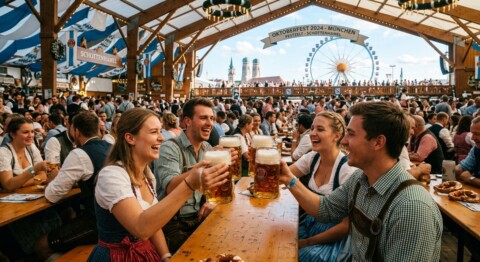
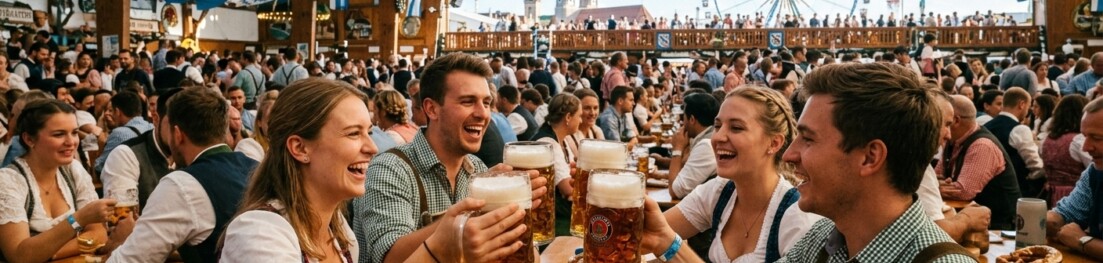
Every autumn, millions of beer enthusiasts around the globe raise a heavy glass mug and shout "O'zapft is!"—traditionally signaling the tapping of the first keg. While Oktoberfest is today known as the world’s largest Volksfest (people's festival), featuring massive tents, traditional Bavarian attire, and endless pretzels, its origins were surprisingly different.
Understanding how Oktoberfest transformed from a high-society royal gathering into an international cultural phenomenon—and why its beers taste unlike anything else—offers a delicious peek into history.
A Royal Beginning: How Oktoberfest Was Born
The story of Oktoberfest begins on October 12, 1810, in Munich, Germany. The festival was not created as a commercial beer celebration, but rather as a grand public party to celebrate the royal wedding of Crown Prince Ludwig (later King Ludwig I) of Bavaria to Princess Therese of Saxe-Hildburghausen.
The citizens of Munich were invited to join the festivities held on the fields outside the city gates. In honor of the crown princess, the fields were named Theresienwiese ("Theresa's Meadow")—a name the main festival grounds in Munich still bear today, often shortened to die Wiesn.
The main event of the original 1810 celebration was a horse race. The party was such a resounding success that the Bavarian royal family decided to repeat the event the following year, giving birth to a tradition that has spanned over two centuries.
Evolution of the Festival: Parades, Tents, and Beer
Over the decades, Oktoberfest adapted and grew:
- Agricultural Roots & Amusements: By 1811, an agricultural show was added to promote Bavarian farming. Small booths and carousels began popping up in the late 19th century.
- Moving to September: To take advantage of longer, warmer late-summer days, the festival’s start date was moved forward into September, though it always concludes on the first weekend of October.
- The Rise of Beer Tents: Originally, visitors bought beer from small wooden booths. By 1896, enterprising brewers collaborated with festival organizers to replace small stands with large beer tents and halls—the precursors to today’s massive beer tents that accommodate thousands of guests at a time.
Today, Oktoberfest is a global phenomenon, inspiring replica celebrations in cities worldwide—from Cincinnati to Munich to small towns across Pennsylvania.
What Makes Oktoberfest Beer So Special?
You can’t talk about Oktoberfest without talking about the liquid gold itself. In Munich, true Oktoberfest beer (Oktoberfestbier) is protected by a registered trademark. Only six traditional Munich breweries—known as the "Big Six" (Spaten, Paulaner, Hofbräu, Augustiner, Hacker-Pschorr, and Löwenbräu)—are legally allowed to serve beer under that name at the official Munich festival.
However, craft brewers worldwide honor these centuries-old brewing techniques by crafting their own seasonal lagers every autumn.
The Two Iconic Styles: Märzen vs. Festbier
When discussing traditional Oktoberfest beers, there are two distinct historic styles to know:
1. Märzen (The Traditional Style)
Historically brewed in March (März in German) before the hot summer months set in—when high temperatures made brewing before modern refrigeration risky—Märzen was aged (lagered) in cold caves over the summer.
Flavor Profile: Rich, malty, and full-bodied with notes of toasted bread, biscuit, and caramel.
Color: Deep amber to copper.
2. Festbier (The Modern Festival Style)
By the 1970s and 1980s, Munich brewers realized that the heavy, filling nature of traditional Märzen made it difficult for festivalgoers to drink multiple liters throughout the day. They developed Festbier (sometimes called Wiesn-Style).
Flavor Profile: Lighter on the palate, crisp, smooth, and balanced with a clean malt background and subtle noble hop bitterness.
Color: Bright golden to pale yellow.
The Magic of Oktoberfest Brewing
What sets these beers apart from standard pale lagers is the extensive lagering process (cold storage) and the quality of Bavarian malts and noble hops (such as Hallertau or Tettnang). They are brewed to be slightly stronger in alcohol content (typically 5.8% to 6.3% ABV) than average session beers, yet remarkably smooth and drinkable.
Bringing the Tradition Home: Celebrating Local Autumn Brews
While flying to Munich for a Maß (liter mug) of lager is a bucket-list trip, craft beer lovers don't need a passport to experience the magic of fall brewing. Craft breweries across North America have mastered the art of rich, bottom-fermenting autumn lagers, amber ales, and pumpkin brews.
For those exploring local beer scenes in places like Bucks County, stopping by local craft spots like Frost Doylestown offers an easy way to sample seasonal craft beer selections. Places with thoughtfully curated rotating taps allow enthusiasts to compare authentic German-style Märzen lagers side-by-side with innovative American craft takes on fall flavors.
Whether you prefer a heavy, caramel-forward traditional amber or a modern crisp golden Festbier, fall is indisputably the finest season for beer lovers.
Reservations and More
Book Your TableCommonly Asked Questions abut Oktoberfest
What is the origin of Oktoberfest?
Oktoberfest began on October 12, 1810, in Munich, Germany, as a public royal celebration for the marriage of Crown Prince Ludwig of Bavaria to Princess Therese of Saxe-Hildburghausen. The citizens celebrated with horse races on a meadow named Theresienwiese. Due to its massive popularity, the festival was repeated annually, evolving into the world's largest beer and cultural festival.
What is the difference between Märzen and Festbier?
Märzen is the historic Oktoberfest style: a rich, full-bodied, copper-colored lager with deep toasted malt and caramel flavors. Festbier is the modern style served at Munich’s Oktoberfest today; it is lighter in color (golden), less filling, crisp, and easier to drink in larger quantities while maintaining a slightly elevated alcohol content.
Why is Oktoberfest mostly held in September?
Oktoberfest was originally held entirely in October. However, festival organizers moved the starting date to mid-September to capitalize on longer daylight hours and warmer, more pleasant autumn weather. Today, the festival typically runs for 16 to 18 days, ending on the first Sunday of October.
What makes an authentic Oktoberfest beer?
An authentic Munich Oktoberfestbier must be brewed within the city limits of Munich by one of the six traditional breweries under the Reinheitsgebot (German Beer Purity Law of 1516), using only water, malt, hops, and yeast. These beers are cold-lagered for weeks, resulting in an exceptionally smooth, clean malt profile ranging between 5.8% and 6.3% ABV.